Electric truck stops are the next phase of advancing the electric trucking market
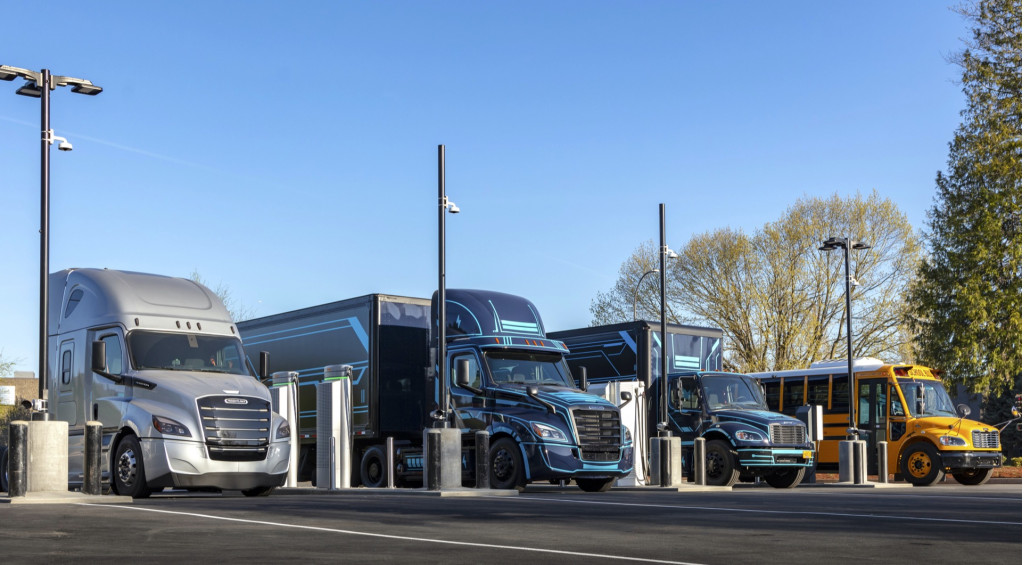
Electric truck stops are the next phase in achieving the national and global goal of carbon negative emissions for the electric vehicle (EV) industry. As a host of companies, such as Volvo and Tesla, are producing zero-emission trucks, the need for charging solutions and installing electric truck stops along truck routes across the nation is necessary for a successful transition. As gas prices continue to rise, companies are looking to electric big rig vehicles for their transportation needs.
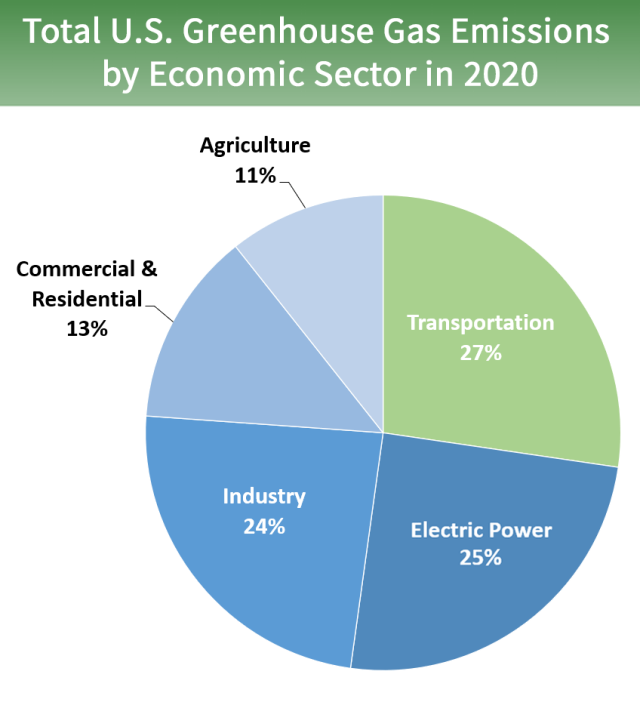 According to the Environmental Protection Agency, the transportation sector contributes 27% of toxic emissions as of 2020, this is the most of any sector. However, the trucking industry is crucial to the economy as we rely on its services to transport goods across the nation. Therefore, this next phase of introducing electric freight trucks in the US is crucial to obtaining carbon neutrality.
The EV landscape is shifting to more and more companies manufacturing electric trucks, therefore the infrastructure of charging stations to accommodate this shift is on the rise. Electric vehicle companies are working on increasing charging station availability along truck routes as well as designing large enough batteries to enable long-distance hauling for these zero-emission trucks. Several companies are partnering with Shell Recharge Solutions to institute 58 EV chargers at these new electric truck stops. The first EV truck stop and charging station in the nation recently opened in Bakersfield, CA. The innovation project was ushered in by the Los Angeles-based company, WattEV. The expansive 110-acre truck stop comes equipped with a solar micro-grid for battery storage along with PG&E to provide regular charging. WattEV intends to construct more electric truck stop stations along Interstate 5 to accommodate up to 200 EV trucks per day.
One of the biggest challenges of charging electric trucks is securing enough reliable power from the grid; therefore, many fleet managers are exploring off-grid solutions. These solutions hopefully will ensure these EV companies of secure and sustainable sources to supply power for the roll-out of electric truck stops.
Volvo and several other companies have worked on preliminary zero-emission truck projects to ensure that the technology and best industry practices were established before introducing them to the EV market. During Volvo’s latest electric truck program, the company and its partners identified the main obstacles and how to mitigate them by introducing route efficiency, training, support, and secure charging station availability. These innovative vehicles will be introduced hand in hand with electric truck stops to provide a seamless transition for electrifying the trucking industry. Based on the research and tests conducted by Volvo’s study, the company is showcasing an Electric Performance Generator (EPG) that will allow for the production of more efficient EV truck routes.
The California Energy Commission awarded the project run by Volo and other partners, $2 million to generate innovative solutions for the state of California. Volvo trucks, part of the global corporation, Volvo Group (AB Volvo) has manufactured the largest percentage of heavy-duty trucks on the global market. After transitioning Europe’s trucks to all-electric in 2019, the corporation turned its efforts to North America. By conducting studies through its innovative program, the company has been able to navigate some of the largest obstacles for electric trucks with its innovative studies. In 2020, they began introducing electric truck production focusing on VNR Class 8. Tesla, BYD, and Nikola are also developing electric trucks suitable for transporting goods throughout California and have been instrumental in ushering in this transition of providing a network to support electrifying trucks.
Volvo trucks introduced the VNR heavy-duty truck at the beginning of the year and are now providing the infrastructure in California to support these heavy-duty commercial trucks. Volvo Truck’s collaboration with Shell Recharge will be the leader in instituting this network of charging stations. Entitled the California Electrified Charging Corridor- the project is projected to be able to sufficiently service commercial electric trucks throughout Northern and Southern California. The project is scheduled for development and implementation through 2022 with charging stations along the Corridor and is projected to be operational by 2023. Multi-megawatt charging is anticipated to be in full swing by 2024.
Megawatt Charging System Plug

The company also released a newly designed autonomous truck in September, this will be an additional offering to its Volvo VNR Electric model. Their “Low Impact Green Heavy Transport Solutions” project back in 2019, otherwise known as LIGHTS, laid down the foundational work of determining what would constitute a successful rollout of electric freight trucks on the market. LIGHTS was a partnership with California’s South Coast Air Quality Management District along with public and private partners to start.
Although research and studies have been conducted on introducing electric trucking fleets, the infrastructure still needs to be put in place with proper infrastructure to support these long-haul electric freight carriers nationwide in the United States, as well as across Europe. Europe’s Green Deal will implement heavier restrictions on the EU’s diesel-driven trucking industry as part of its regulations for emissions reduction to obtain its goals of neutrality by 2050. The big push is to introduce multi-megawatt charging, in Europe about 40% of long-haul freight trucking occurs on distances above 500 kilometers. Thus, these heavy-duty trucks will require charging electric truck stops along their route. However, Daimler Truck announced they have designed an electric big rig that has a battery capacity of 450-550 kilowatts an hour in its newly introduced Freightliner eCascadia – this will allow for more efficiency in charging along freight haul routes.
The takeaway – the electric truck stop is revolutionizing the diesel-driven industry of trucking, however, the infrastructure to support such a venture is lacking. Thus, EV companies like Tesla and Volvo are looking to roll out the introduction of EV big rigs to the market simultaneously with the establishment of a network of sustainable charging stations and are collaborating with both the private and public sectors to facilitate this extensive transition.