As fleet managers and operators amplify their effort to go green, just TCO for electric trucks, certain challenges become more apparent. The learning curve for electric trucks and EV (electric vehicle) operation is relatively easier to address, but electric car charging presents a lot of complications. Thanks to these challenges, many are still hesitant to adopt electric trucks for their fleet.
Installing charging infrastructure, operational disruptions, and working with utility companies are some of the major obstacles fleet operators have to face. At [company name], we’re diving deeper into these challenges and discussing the steps you can do to comprehensively address them. That way, you can fully adopt zero-emission solutions and more sustainable practices for the foreseeable future.
Charging Infrastructure
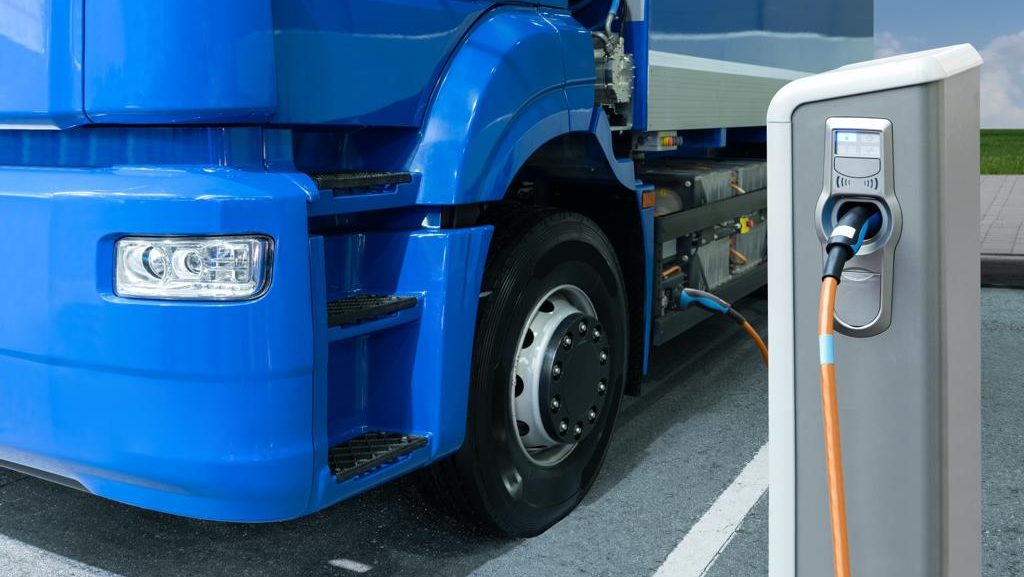
Your company’s charging infrastructure is the equivalent of gas stations. However, there are far fewer public charging stations in the US since EVs are still relatively new. This means that you’ll need to build charging infrastructure within your site. That way, your fleet will have the power needed to make trips without relying too much on public charging stations.
When constructing charging infrastructure on-site, you need to consider what the location can give and what you’ll need to add or adjust. It’s one way to remain cost-effective even as your fleet grows. Knowing this, you’ll know how many chargers you can install, which construction firm or electrical engineers to hire, and how much you’re going to spend.
Some factors that you need to consider when building charging infrastructure are:
- Tariff and Electricity Rates: These will determine the cost-saving steps you’ll need to take, especially when budgeting power caps and the number of vehicles you’re going to purchase.
- Distance: How far will the electric vehicle reach? Will it be able to travel its entire service route within a single charge from the site or will it need to make several stops?
- Type and Brand of EV: One manufacturer will have different specifications and charging needs than the next, which will determine the kind of software and charging stations you’ll install.
Working With Utility Companies
One of the hardest and most complicated parts of EV adoption and charging is working with utility companies. You’ll have to remember that electric truck charging — and electric vehicles in general — is a new thing. Original equipment manufacturers (OEMs), fleets, and utility companies are still polishing a lot of the regulations and requirements connected to charging infrastructure.
Because of this bureaucratic labyrinth, you can expect the project to last longer and be more costly than you might expect. In addition, the fluctuating electricity rates and utility tariffs will affect your expenses for powering your fleet. Keep in mind that each utility company will have its own payment structure, so do your research to understand how electric truck charging will affect operational costs.
You’ll also need to meet the demands of the utility company. In most cases, they’ll ask for a plan that will need to have details about your fleet and charging needs. You’ll need to provide information about your total power demands, as this can escalate into a utility service upgrade. You might be prompted to scale back if the investment is too big a risk.
Charge Management
Charge or power management is an often unforeseen factor that can affect the longevity of your infrastructure and your expenses. Fleet owners and operators will need to set limits or power thresholds to ensure maximum use of chargers without overworking them, which can result in costly repairs or upgrades.
You’ll need to consider how to maximize charging schedules per shift and the possibility of going over the capacity. The best setup is one that allows you to fully charge your vehicles quickly and efficiently at the lowest infrastructure costs — all without triggering utility service upgrades. If you go over capacity, your utility company might implement this upgrade to address your increasing power needs.
As mentioned above, such enhancements will be costly and lengthy, so you’ll want to ensure that you’re able to monitor your power usage. There are some solutions you can try to make charging management easier and more streamlined. EV fleet charging and energy management software is among the top innovations you can incorporate into your operations. With these, you can be more in control of power usage and limit charging to only what’s needed, leading to lower energy costs. Having one is a sure way to make fleet electrification a less risky investment.
Scalability
The initial upfront costs of electric trucks and the charging infrastructure might hold back companies from going all out. It may be best to test out the waters with a few units and see if EV is the best option for a specific business model or industry. But it’s undeniable that the entire world is shifting toward zero-emission and sustainability practices. Businesses are under pressure, now more than ever, to commit to greener solutions to attract and retain investors.
Let’s say that from the initial small fleet, you’re planning to expand your electric trucks and charging infrastructure. Therein lies another problem: scalability issues. Due to the highly variable setup of EV fleets and charging stations, it’s difficult to incorporate new models into your current fleet. You’ll need to upgrade your charging infrastructure to accommodate these additions. In addition, the increase in power demand will prompt a utility company to do utility service upgrades. That will also take more resources and time to accomplish.
What can you do to make your EV fleet project more scalable as your business grows? Deploying an electrified fleet at scale will require research on your end. There’s also no single method to take since each company’s needs are different from the others. But on a more universal approach, you’ll need to focus on how your business will evolve.
Will you focus purely on local delivery? Will the EV fleet be used for last-mile delivery cycles? How far do you plan to expand? Answering these questions will help you plan for the longer term and create a charging infrastructure and system that can adapt to your growing needs.
Operational Disruptions
Installing charging infrastructure will take months, if not years, before it’s finally operational. As a whole, fleet electrification will take a long time to implement, especially when you’re just starting to transition. Not to mention the driver training, charging management setup, and negotiations with utility companies you’ll need to handle.
Because of these challenges, many companies opt to break down the project in phases. But this creates another issue: operational disruption. Say that some of your routes are already fully electrified while others are still using a hybrid of traditional trucks and EVs. This will mean a complex system that’s vulnerable to even the smallest deviations. One delayed truck can disrupt charging schedules and by extension, the rest of your operations.
Having specialized software for your charging stations will also mean having a team knowledgeable about using EV management programs. This step is often neglected, and these mistakes can lead to operational inefficiencies. Make sure that your staff and drivers receive the training they need for simple tasks like electric truck charging for maximum efficiency.
The Bottom Line
Electric vehicles in the trucking industry are still relatively new, so there are still many areas that need to be polished before they reach their full potential. One of these areas is electric truck charging, a critical aspect of operations.
As of now, scalability, building charging infrastructure, operational disruptions, and other challenges make streamlined EV charging hard to implement. But prospecting businesses will find merit in exploring and learning ways to adapt to the future. So keep the issues above in mind when planning this major venture. It’s a long-term investment that will give you the edge in the years to come.