
CoMotionLA23
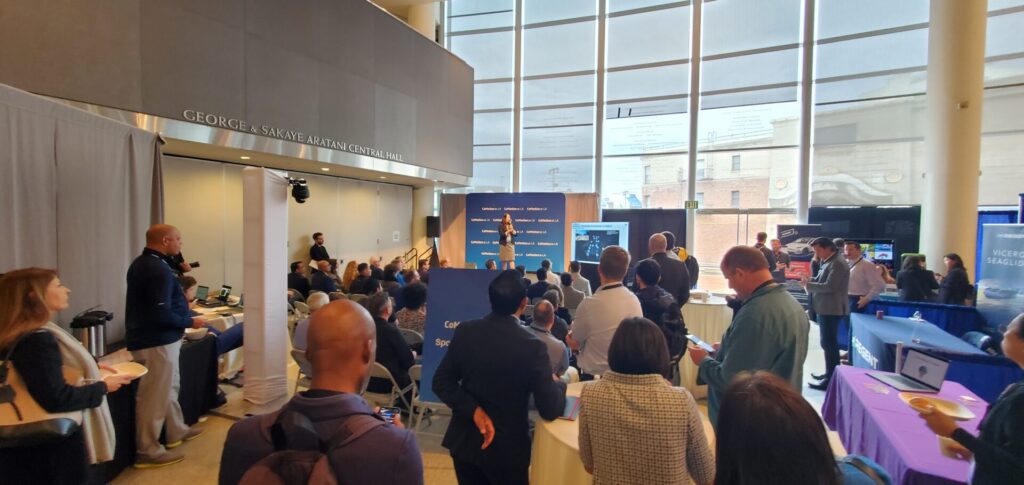
CoMotionLA23, one of the west coast’s premier conferences on emerging mobility and the future of transportation, hosted a conference on November 14th to 16th in Downtown Los Angeles.
Roughly 2,000 people composed of global policymakers, technology firms, public transportation agencies, venture capitalists, and start-ups were present for CoMotionLA23’s host of immersive and interactive talks, demos, and workshops regarding the future of clean transportation and the energy and initiatives required to power it all.
ZeroRig.com took particular interest in two workshops:
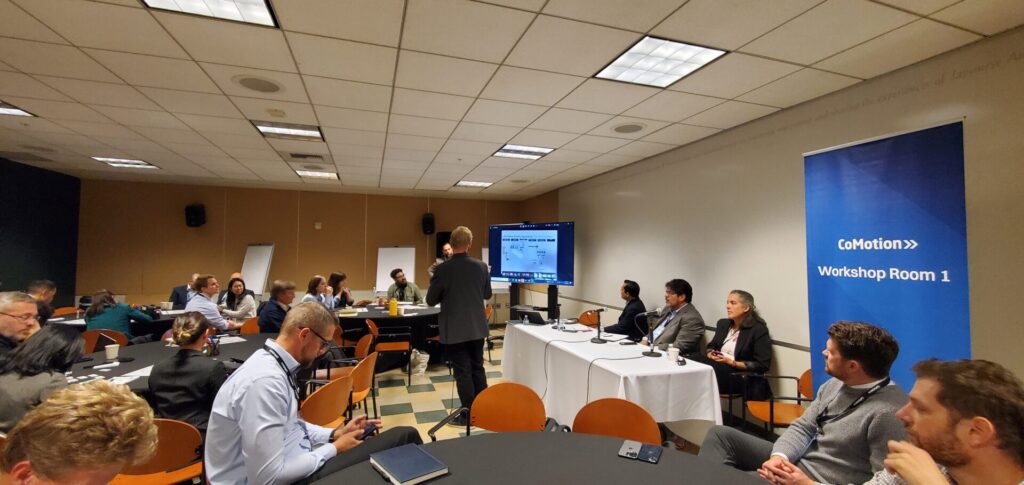
- The ZEB Web: An Ecosystem Approach to Electrification focused on electric and Zero Emission Bus (ZEB) development. Topics of particular interest were utility capacity, facilities and infrastructure, management systems, and zero emission vehicles. Additionally, the experts shared their perspectives on federal funding, procurement innovation, and strategic partnerships in delivering transportation electrification projects. The workshop provided valuable insights for anyone interested in transportation electrification.
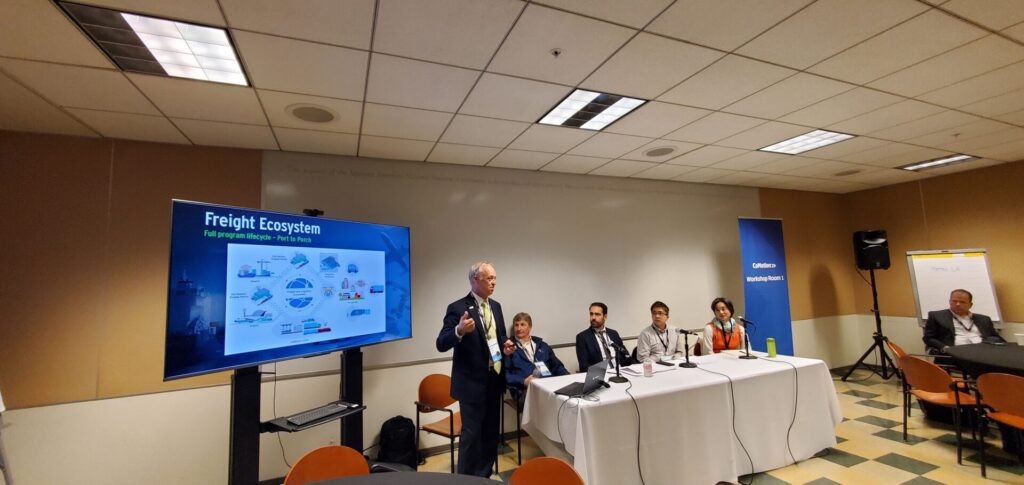
- Port to Porch: A Multimodal Connected Ecosystem delved into the ideas behind the interconnection of ports, such as airports, seaports, or inland ports, and their final destinations: doorsteps. Speakers from the Port of Los Angeles (Artie Mandel), Ontario International Airport (Ken Poon), LA Metro (Akiko Yamagami), Kern Council of Governments (Robert Ball), and HNTB (Parker McCrary) presented relevant case studies of how their ports and their interconnections faced challenges and made improvements. It was a fascinating take on supply chain logistics and technology’s role in optimization and the challenges faced by ports connecting to each other. Of particular interest was Kern Council of Governments’ Rob Ball, who spoke at length about inland ports in the Kern County region.
During the Port to Porch workshop, Artie Mandel, the Director of Strategic Initiatives for the Port of Los Angeles, presented the following:
Leveraging Technology and Innovation at the Port of Los Angeles: A Case Study in Efficiency and Environmental Responsibility
The Port of Los Angeles, the largest port in the Western Hemisphere, handles a staggering 20 million TEUs (Twenty-Foot Equivalent Units) annually across its 25 terminals, including seven dedicated container terminals. Its significance extends beyond its sheer size; the port’s operations are intricately linked to job creation and economic activity, with every four containers offloaded generating one job and impacting all 435 congressional districts in the United States.
Overcoming Challenges with Data-Driven Solutions
In 2021, the Port of Los Angeles faced a critical challenge with ships waiting off-shore due to severe backlogs. The solution didn’t lie in increasing physical labor or expanding infrastructure but rather in harnessing the power of data. The introduction of the ‘Port Optimizer’ system provided granular data about cargo on the docks, its contents, and movement status. This data revealed that certain containers were remaining on the docks for weeks, contributing to the backlog.
Further investigation showed that terminal agreements allowed cargo owners to use the port as free warehousing for up to 40 days, causing cargo and ship backlogs as warehouses were full. The data highlighted a crucial trend: cargo staying for eight days often remained for a month.
To address this, the port instituted a new fee system, charging $100 on the ninth day, increasing incrementally each day. Remarkably, no fees were ever levied as this system effectively motivated the movement of all cargo, showcasing how technological solutions can enhance operational fluidity.
Expanding Capacity Through Technological Innovation
The port identified that 50% of truck gates were underutilized. By improving scheduling systems, there’s an opportunity to double the number of trucks picking up cargo, potentially integrating systems to pair empty container drop-offs with loaded container pickups.
Moving more freight by rail rather than by truck is another challenge. The underused Alameda Corridor train contrasts starkly with the overstressed 110 highway. Improving the economics of rail transport could alleviate this inefficiency, but it requires innovative solutions and strategic planning.
Environmental Responsibility: The Clean Air Action Plan
In collaboration with the Port of Long Beach, the Port of Los Angeles has embraced the ‘Clean Air Action Plan.’ The goal is ambitious: achieve 100% zero emissions for cargo handling equipment by 2030 and ensure all heavy-duty trucks are zero-emission by 2035.
A significant hurdle in reaching these environmental goals is securing sufficient power for terminal operations. This challenge underscores the necessity of not only technological advancements but also infrastructural and energy grid improvements.

Rob Ball of Kern County Council of Governments presented the following during the Port to Porch Workshop:
Kern Council of Governments Presentation: Inland Ports and Kern County
Kern Council of Governments (Kern COG) is the sister organization to Southern California Association of Governments and LA Metro. They are the regional transportation planning agency for Kern County.
During Rob’s presentation he highlighted seven challenges of inland ports in California:
- Class I railroads (BNSF & UP) 300-750 mile minimum shipping distance
- Balancing export / import priorities at seaports
- Re-shoring manufacturing trend
- Inland Empire full / more centralized distribution warehousing in Central Cal
- LA’s congested rails / ports
- Spoke & hub connectors / road maintenance needs
- Street turns: Minimizing empty truck/rail trips
Kern County is seeing an influx in distribution warehouses. Some of the facilities, such as the ones from Amazon and Walmart, are extremely large. Amazon’s new facility is the largest small item storage distribution facility in the western US. It opened up near Bakersfield Meadows Field Airport at 2.6 million square feet and four stories tall.
Inland ports, like the one in Stockton California, are dedicated to shipping within the US, sending cargo up to 1500 miles and as far as the midwest United States. There are promising locations for new inland ports in Barstow and Mojave, both of which have existing access to Class 1 railways.
Inland Ports as an Answer to Air Quality Issues
The key quality surrounding inland ports is air quality. The Southern end of the San Joaquin Valley has the worst air quality in the nation. Shipping by rail is ten times as efficient as shipping by truck, and even if you went zero-emission the trucks would kick up significant amounts of road dust, creating complications for air quality.
Inland ports serve as an answer to the air quality issue. According to the Robert Woods Johnson Foundation, one of the key reasons that the San Joaquin Valley’s health factors are so bad is because of economics – about 40% of the ranking is based on economy.
Adding an inland port, an investment in transportation, particularly efficient transportation, increases the demand for the production of the San Joaquin Valley. That increase in production, and creating more jobs and economic opportunities, can be reinvested into transportation causing an upward economic spiral in the Kern County and LA regions.
Rob Ball went on to say that an inland port in the San Joaquin Valley would be one of the best things we can do for our region and to help our disadvantaged communities.
Interestingly, the distance from the port of Long Beach and the port of Los Angeles to the Southern San Joaquin Valley is roughly the same distance to the outer portions of the Inland Empire, which is nearing capacity.
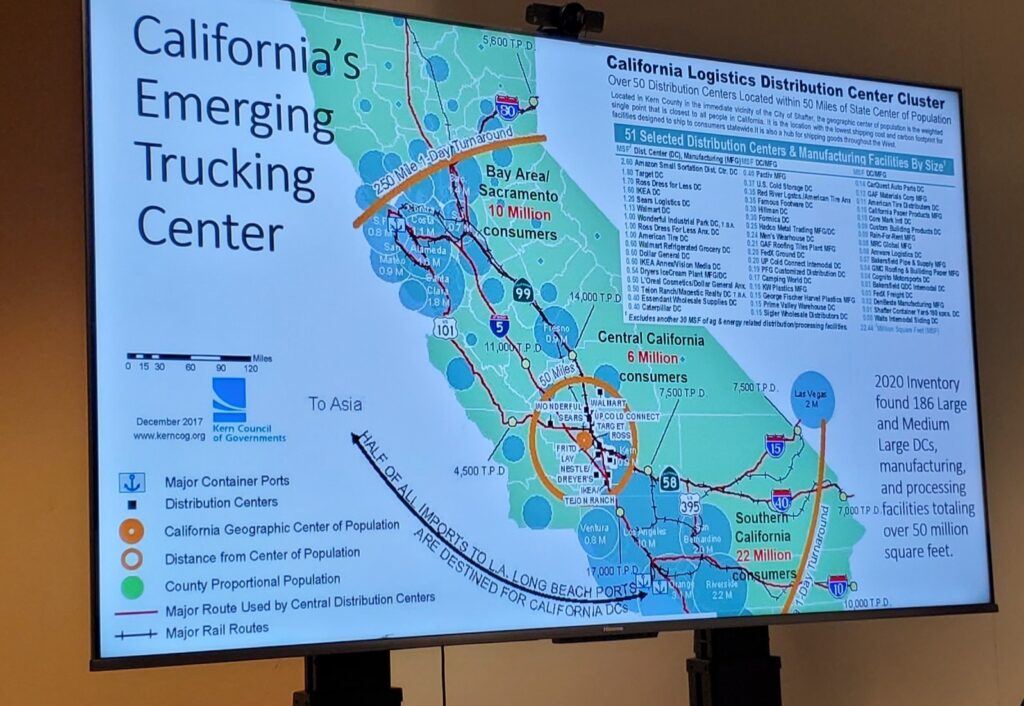
Kern County is Becoming a Hub for Distribution
Bakersfield is becoming a hub for upstream distribution in part because Bakersfield is at the geographic center of the population, which is the location that has the lowest cost to ship to all populations within the state of California, but it also has the smallest CO2 footprint.
For this reason there’s a large increase in warehousing in the Bakersfield and Kern County region. A zero-emission truck network is needed to clean up emissions from the trucks that are needed to operate in these new warehouses.
One major point Rob Ball made was that historically there’s a lot of empty trips between Kern County and the LA ports. A Kern truck goes down to the LA port, picks up the empty trailer or container, and drives it back to the Valley, filling it with almonds and then shipping it back to the port of LA. Instead, an inland port in the Bakersfield region could fill a train of almonds to be shipped to LA and loaded onto ships, eliminating much of the back-and-forth with empty loads.
KernCOG’s Kern Area Regional Goods Movement Operations (KARGO)
KernCOG released a new study on Goods Movement in the Kern County region.
The San Joaquin Valley is experiencing significant growth in agriculture, distribution, logistics, and manufacturing. This has led to an expansion in higher paying automated jobs and the region, particularly Kern County, has seen a rapid increase in industrial facilities, necessitating improved goods movement systems.
The KARGO Phase I Study aimed to assess the transportation impacts of future land use in north Bakersfield and nearby areas. Recommendations included a logistics transportation fee, a freight modal shift from truck to rail, development of industrial trade port districts, and clean technology implementation on highways.
Kern County faces challenges with increased pavement damage and emissions from growing truck traffic. This necessitates policy options for recapturing roadway maintenance costs and mitigating emissions, especially with the shift to electric vehicles.
KARGO Phase II focuses on finalizing infrastructure improvement needs and developing an implementation strategy. This includes a regional logistics mitigation fee program, complying with the California Mitigation Fee Act’s requirements. The study also aims to reduce freight emissions through mode shift and clean transportation technologies, leveraging Kern County’s strategic location for rail transport and its placement along a clean energy corridor.
The study sets goals to improve roadway maintenance, adopt clean logistics technology, maintain regional economic competitiveness, and enhance network capacity.