
Anaheim, California (ZeroRig) – ACT Expo kicked off the first day of conference talks with a session titled “Clean Fuel Vehicle Bootcamp – Next Generation Fleets: Environment, Efficiency, Economics”. It seems fitting that the conference began with a session focused on a comparison and overview of all the alternative fuel options and technologies on the market. After the talk all attendees were prepared with the knowledge required to make the most of the show’s exhibition hall and many other talks and sessions.

MODERATOR: Cliff Gladstein, Founding President, Gladstein, Neandross & Associates (GNA)
- Hani Hawari, Lead Product Manager, EV and Sustainability, Geotab
- Joy Gardner, Executive Director, Empire Clean Cities
- Taki Darakos, Vice President of Vehicle Maintenance and Fleet Services, PITT OHIO
- Nate Springer, Vice President, Market Development, Gladstein, Neandross & Associates (GNA)
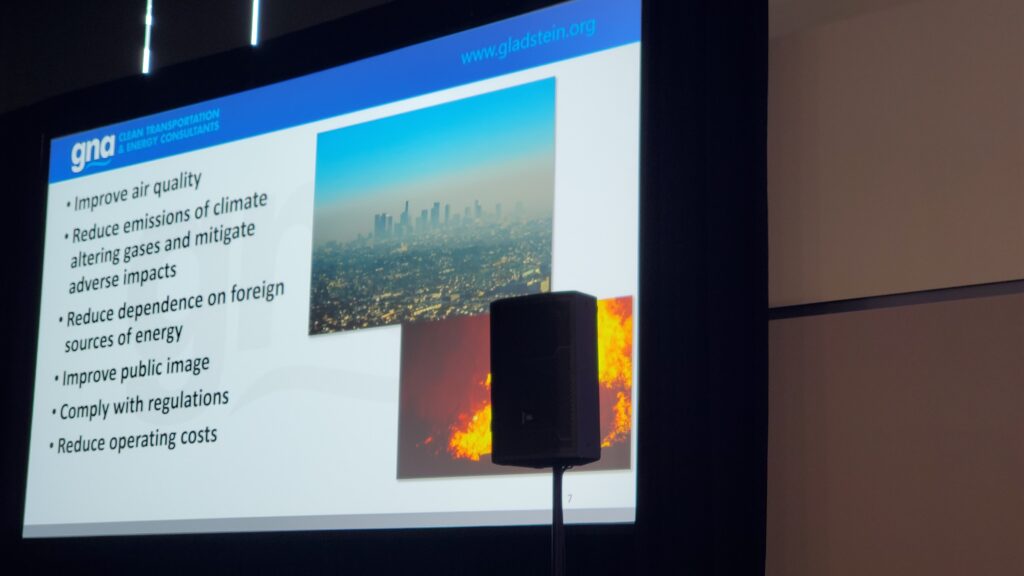
The experts began with a discussion on the goals behind prioritizing alternative fuel technologies. They emphasized the importance of improving air quality, reducing emissions of climate altering pollutants, reducing the dependence on foreign sources of energy, improving public image, regulation compliance, and reducing operating costs.
The conversation continued onto the pros and cons of each fuel and technology option, including costs, operational considerations, environmental benefits, and others. For example, attendees learned about the cost differences between battery electric vehicles and hydrogen fuel cell vehicles, as well as the environmental benefits of both options.
Next the session covered how to deploy and utilize alternative fuels and clean fuel vehicles, and the key considerations for selecting vehicles for a fleet. The experts discussed topics such as charging infrastructure and how to develop an effective maintenance program to ensure optimal vehicle performance. They also shared insights on the necessary training and support required to deploy and utilize alternative fuels and clean fuel vehicles effectively.
Particular interest was placed on the role of government regulation, grants, and incentive funding in driving development and adoption of these new technologies. They also discussed how government funding can help offset the initial costs associated with transitioning to these new technologies and encouraged attendees to take advantage of the available resources.
The session provided attendees with a comprehensive understanding of the alternative fuel landscape and equipped them with the knowledge and tools necessary to make informed decisions when selecting vehicles for their fleets and objectives.